Ellis Wagner · 28 October 2026
Urban Garden Collectives Reveal Unexpected Ties Between Seed Sharing Networks and Multi-Household Resource Conservation Efforts
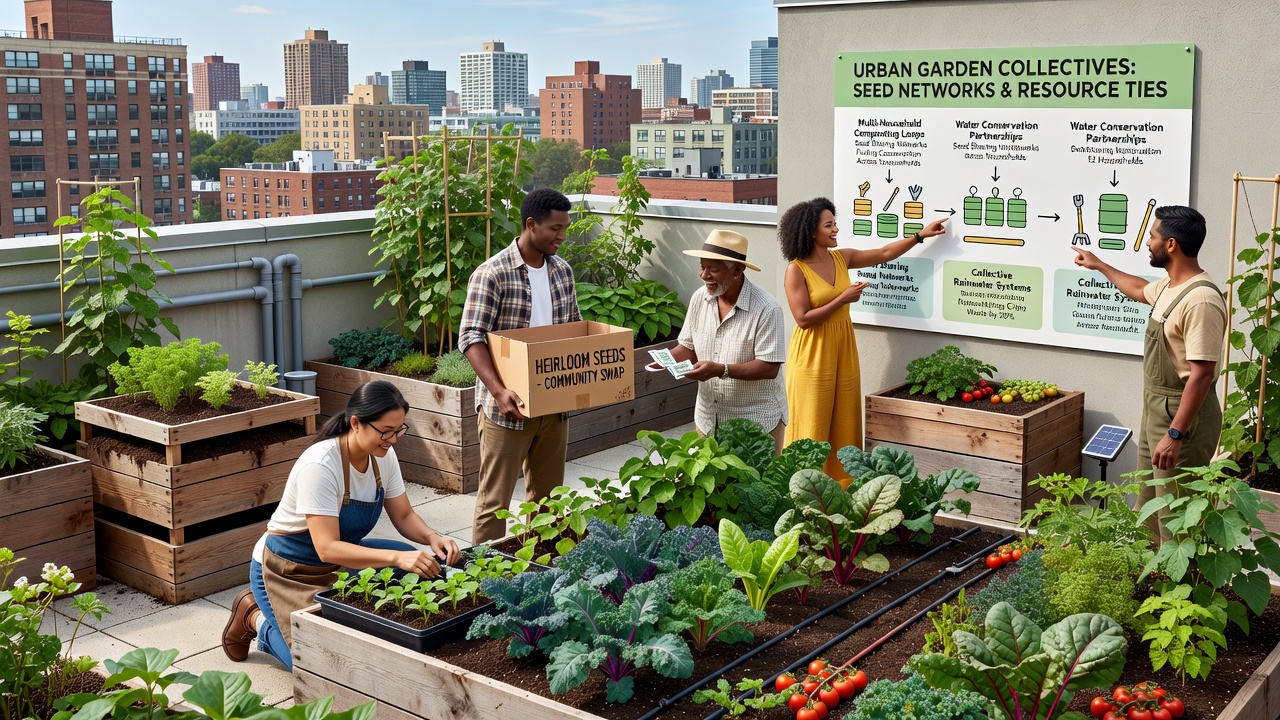
Urban garden collectives have expanded rapidly in cities worldwide since the early 2020s, and researchers tracking these groups note direct connections between seed sharing networks and coordinated efforts that reduce water use, waste output, and energy demands across several households at once. Data collected through municipal agriculture programs shows that neighborhoods with active seed exchanges often record higher rates of shared composting systems and joint tool libraries, which in turn lower individual household resource consumption.
Seed Sharing Networks as Entry Points for Collective Action
Seed libraries operated by urban collectives function as distribution hubs where participants swap varieties suited to local conditions, and studies from the University of Melbourne indicate that such exchanges increase crop diversity by up to 35 percent compared with isolated home gardens. Participants exchange not only seeds but also knowledge about soil amendments and pest management, creating informal channels that later support larger resource sharing arrangements. In October 2026, reports from the Canadian federal urban agriculture initiative documented over 1,200 registered seed sharing events in Toronto and Vancouver alone, with many groups subsequently forming multi-household agreements for rainwater harvesting infrastructure.
Resource Conservation Patterns Across Households
Multi-household conservation efforts typically involve synchronized schedules for watering, mulching, and harvesting that minimize duplication of equipment and reduce overall water draw from municipal supplies. Figures released by the European Environment Agency reveal that collective gardening sites in Berlin and Rotterdam achieved average water savings of 28 percent per participating household when seed networks coordinated planting calendars. These same sites often incorporate shared solar-powered irrigation pumps and community-scale vermicomposting units, which further cut electricity and waste disposal costs for everyone involved.
Documented Linkages Between the Two Systems
Observers tracking urban agriculture note that seed sharing events serve as regular meeting points where conservation projects get planned and resources get allocated. One study conducted by researchers at the University of British Columbia followed 47 collectives over three years and found that groups maintaining active seed exchanges were 2.4 times more likely to establish joint purchasing agreements for bulk organic matter and shared cold storage facilities. The same research tracked reductions in household food waste, attributing part of the decline to coordinated harvesting that prevents surplus produce from spoiling in individual refrigerators.
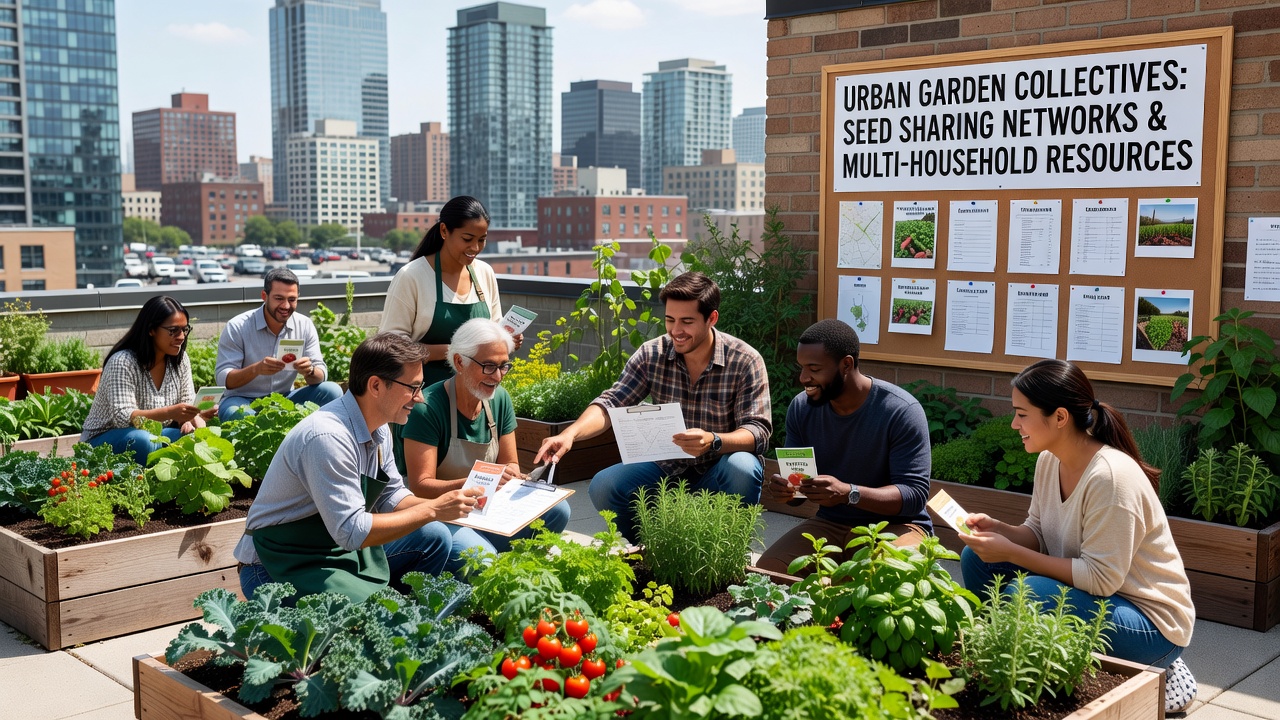
Additional data from the Australian Department of Climate Change, Energy, the Environment and Water shows similar patterns in Melbourne suburbs, where seed library participants reported forming neighborhood agreements for tool maintenance and equipment rotation that lowered per-household spending on garden supplies by an average of 19 percent. These arrangements often begin with simple seed swaps yet evolve into structured resource pools because the initial exchanges build trust and establish communication routines among neighbors.
Geographic Variations in Implementation
Collectives in North American cities tend to emphasize digital platforms for tracking seed inventories and scheduling shared labor days, whereas European groups more frequently integrate conservation practices directly into municipal planning documents. In both regions, however, the presence of seed sharing correlates with measurable upticks in multi-household participation in city-run rebate programs for rain barrels and composting bins. Government statistics compiled across these locations indicate that households engaged in collective seed networks enroll in such rebate programs at rates 40 percent higher than non-participating neighbors.
Measurement Challenges and Ongoing Research
Quantifying the precise contribution of seed networks to conservation outcomes remains an active area of study, and analysts continue refining metrics that separate the effects of seed diversity from those of shared infrastructure. Longitudinal surveys conducted by academic teams show consistent associations yet emphasize the need for controlled comparisons across different urban densities and climate zones. As collectives refine their record-keeping practices, future datasets are expected to clarify causal pathways linking seed circulation to broader resource efficiencies.
Conclusion
Urban garden collectives continue to demonstrate measurable connections between seed sharing networks and multi-household resource conservation, with available data from multiple countries supporting the pattern of expanded cooperation that begins with seed exchanges and extends into coordinated water, waste, and equipment management. Continued monitoring through 2027 and beyond will provide additional detail on the scale and durability of these linkages across different urban environments.