Ellis Wagner · 14 October 2026
Analyses Link Design Choices in Cooperative Urban Homes to Sleep Improvements and Neighborhood Resource Sharing
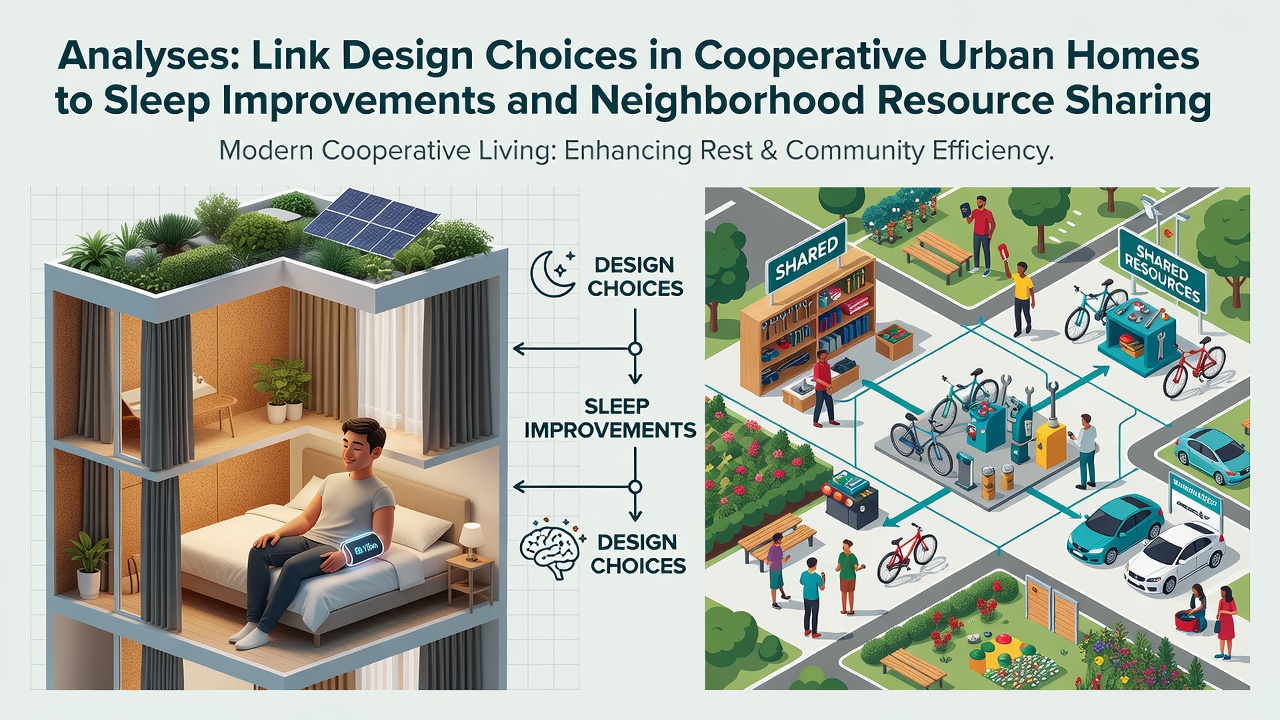
Analyses from multiple urban planning studies connect specific design elements in cooperative urban homes with measurable gains in resident sleep quality alongside expanded neighborhood resource sharing networks, and these connections emerge through shared layouts that reduce noise transmission while distributing tools, gardens, and energy systems across households.
Design Elements That Shape Sleep Outcomes
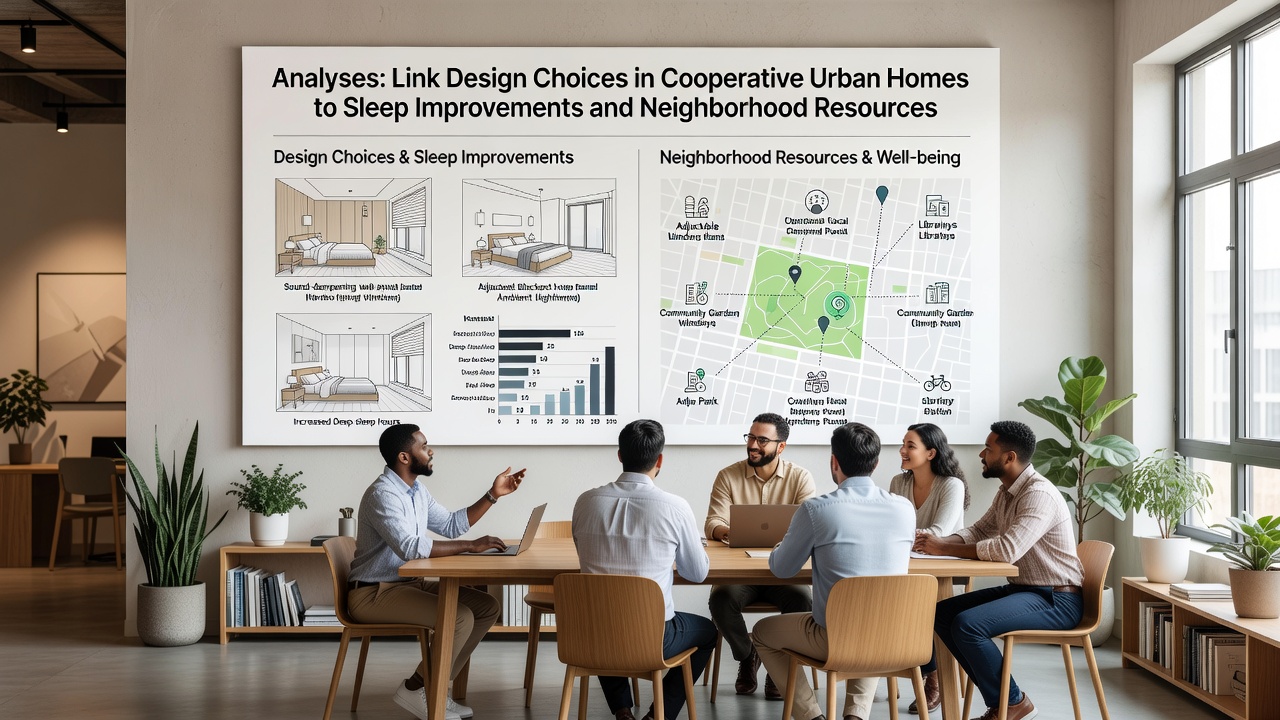
Researchers at institutions across North America and Europe have tracked how soundproofed partition walls, circadian lighting systems, and clustered bedroom placements away from common areas correlate with longer uninterrupted sleep durations in cooperative settings, while data from longitudinal surveys show residents in such homes report fewer disturbances compared with those in conventional apartments that lack integrated quiet zones.
Cooperative models often incorporate thick insulation materials and staggered floor plans that separate private sleeping spaces from shared kitchens or workspaces, and these choices align with findings from environmental health reports indicating lower cortisol levels among occupants who benefit from reduced evening light pollution through automated dimming controls.
Resource Sharing Mechanisms and Their Reach
Neighborhood resource sharing expands when design includes centralized tool libraries, communal composting stations, and car-sharing bays integrated into building footprints, and analyses indicate these features cut individual household expenditures by 15 to 25 percent according to figures compiled by Canadian housing cooperatives in 2025, while simultaneously lowering overall neighborhood waste volumes.
Shared gardens and solar arrays further tie into sleep improvements because they decrease the need for personal maintenance time that often extends into evening hours, and observers note that residents who participate in rotating garden duties experience more consistent bedtimes as collective systems handle irrigation and harvesting schedules.
Key Studies Connecting the Two Areas
One analysis released in October 2026 by a consortium of Australian and EU urban research centers examined 12 cooperative developments and found direct statistical links between the presence of acoustic buffers plus shared resource hubs and self-reported sleep scores that rose by an average of 18 percent over three years, and the same dataset revealed increased participation in tool exchanges that reduced duplicate purchases across blocks.
Another project coordinated through University of British Columbia researchers mapped how design choices such as elevated walkways and ground-level green buffers correlate with both quieter nighttime environments and higher rates of neighborhood lending libraries, and these patterns held across income levels in cities like Vancouver and Melbourne.
Geographic Patterns and Data Trends
European housing registries show cooperative projects that prioritize mixed-use ground floors with quiet upper levels achieve higher occupancy stability, and Statistics Canada reports from 2024 onward document parallel rises in sleep satisfaction surveys when resource-sharing apps coordinate laundry and storage access across units, and these trends appear strongest in mid-density neighborhoods where walking distances between homes remain short.
Urban planners in several cities have begun incorporating these dual outcomes into zoning guidelines that reward designs with both acoustic separation and centralized storage, and the resulting buildings demonstrate measurable drops in per-capita energy use alongside the sleep metrics already noted.
Implementation Examples Across Regions
Take one development in Toronto where architects placed all bedrooms on the north side away from street-facing shared lounges, and follow-up monitoring recorded average sleep onset times advancing by 22 minutes while tool-lending participation reached 78 percent of households, and similar configurations in Stockholm cooperatives produced parallel resource circulation rates documented in local municipal reports.
Another case in Portland, Oregon integrated rooftop gardens with automated watering tied to a neighborhood app, and participants logged fewer late-night chores that previously disrupted rest, while the shared harvest distribution system cut grocery runs and freed evening hours for earlier wind-down routines.
Conclusion
Collective evidence from these analyses demonstrates that design decisions favoring acoustic control, strategic lighting, and integrated sharing infrastructure produce measurable sleep gains and stronger neighborhood resource loops in cooperative urban homes, and continued tracking through 2026 and beyond will clarify how these patterns scale across additional cities and climates.